

It is all too common that by the time a fire is noticed at a recycling plant, it is already too late to contain the blaze – leading to devastating property damage, environmental harm, and in the worst cases, loss of life. Businesses in the waste and recycling sector face a level of fire risk that is significantly higher than most industries, and yet many still rely on reactive detection methods that only alert staff once a fire is already taking hold.
At W4G Fire & Security, we specialise in fire prevention and early detection across high-risk commercial sites. Through our fire and safety services and fire watch services, we help businesses stay protected before an incident has a chance to escalate. In this article, we explain the scale of the recycling plant fire problem in the UK – and how our thermographic camera system is protecting South West Metals across six sites in the South West.
The statistics on recycling plant fires may come as a surprise to those outside the industry. The National Fire Chiefs Council has reported that battery fires alone in waste sites and bin lorries across the UK have surged to over 1,200 in a single year – a 71% rise from 700 in 2022. The long-term picture is equally stark, with an average of more than 300 fires per year at waste and recycling plants recorded over a 12-year period. The direction of travel is clear: this problem is not stabilising, it is accelerating.
In 2018, ten crews of firefighters were required to tackle a recycling plant fire in North Wales, with nearby residents warned to stay indoors due to the scale of the incident. As recently as September 2021, a plastic processing plant in Monmouthshire required 60 firefighters to bring a fire under control – destroying more than 3,000m² of the building and causing significant damage to the surrounding environment.
These are not isolated incidents. They are part of a consistent pattern that highlights the urgent need for proactive fire detection in the waste management sector.
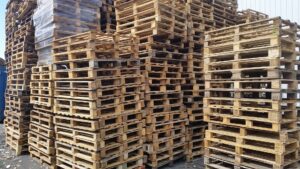
We at W4G are well aware of the fire hazards that threaten recycling plants and waste management businesses. Unfortunately, there are many. Hauling scrap and other waste requires the use of heavy machinery that can easily overheat and catch fire. While some equipment has safety measures built in, many do not.
Another serious and growing risk is mislabelled or improperly disposed waste. Lithium-ion batteries – found in mobile phones, laptops, e-bikes, and other consumer electronics – are now one of the leading causes of recycling plant fires, and the numbers confirm the scale of the problem. The NFCC has described the situation as a disaster that is already unfolding, with some insurance claims related to battery waste fires reaching up to £20 million. As the volume of battery-powered devices in everyday life continues to grow, so does the volume of lithium-ion batteries entering the waste stream incorrectly. Without the right detection systems in place, a single battery in the wrong pile can trigger a fire capable of destroying an entire facility.
The consequences of recycling plant fires extend far beyond the site itself. Here is a breakdown of the impact they typically cause:
The damage caused by these fires is significant – but crucially, in many cases it is preventable with the right detection technology in place.

South West Metals is an independent waste management company based in the South West of England. Operating six recycling plants across the region, they are committed to providing waste management services that are both safe and environmentally sustainable. To meet those goals, they partnered with W4G Fire & Security to implement a proactive fire prevention strategy.
Our approach is built on early detection rather than reactive response. We designed and installed a thermographic camera system across the South West Metals sites that provides automatic, continuous monitoring of temperature levels. If a spike in temperature is detected – indicating the early stages of a potential fire before flames or smoke are visible – our 24-hour monitoring station is immediately notified.
Trained operatives then assess the situation in real time. If temperatures reach a level that indicates a genuine fire risk, the fire service is contacted immediately. This early warning capability saves precious time – and in fire safety, the difference between seconds and minutes can determine whether a fire is contained or becomes a disaster.
This type of solution forms part of our broader fire and safety offering, which is designed around the specific risks of each client’s site rather than a one-size-fits-all approach. For commercial businesses operating high-risk environments like waste processing, manufacturing, or industrial storage, thermographic monitoring can be a critical layer of protection that standard smoke or heat detectors simply cannot provide.
Thermal detection uses thermographic cameras to monitor surface temperatures across a site continuously. Unlike traditional smoke or heat detectors, which only trigger once a fire is already developing, thermal cameras can identify dangerous temperature rises before any visible sign of fire appears. This gives operators time to intervene and prevent a minor heat buildup from becoming a major incident.
Recycling plants handle a wide variety of materials, many of which are flammable or contain energy storage components such as lithium-ion batteries. Heavy machinery, compressed materials, and large open storage areas all contribute to a higher-than-average fire risk. The scale and layout of many recycling facilities also means that a fire can spread rapidly before conventional detection systems raise an alarm.
W4G Fire & Security offers a range of fire safety solutions for commercial businesses, including thermographic camera systems, fire watch patrols, fire risk assessments, and 24-hour monitoring. Our fire and safety team will assess your site’s specific risks and recommend a tailored solution. Contact us for a free consultation.
Yes. W4G can design and implement thermal detection systems across multiple locations, with centralised monitoring from our 24-hour operations centre. The South West Metals partnership, covering six sites across the South West, is a strong example of a multi-site deployment managed under a single monitoring arrangement.
Our monitoring operatives assess alerts in real time, around the clock. In the event of a temperature reading that indicates a genuine fire risk, the emergency services are contacted immediately. The speed of this response is what makes thermal detection so valuable – it dramatically shortens the time between an early warning sign and decisive action.
If you operate a recycling plant, waste management facility, or any commercial site with elevated fire risk, we can help. Our fire and safety specialists will assess the specific hazards at your premises and design a detection system that gives you genuine early warning capability – not just a reactive alarm.
Contact W4G Fire & Security today for a free, no-obligation consultation.


